

My Daughter Nearly Lost a Friend to a Board Game
Games are a dopamine-fest where it’s a lot of micro-wins adding up to a big victory. But when you’re a kid, trying too hard to win can actually make things not fun.

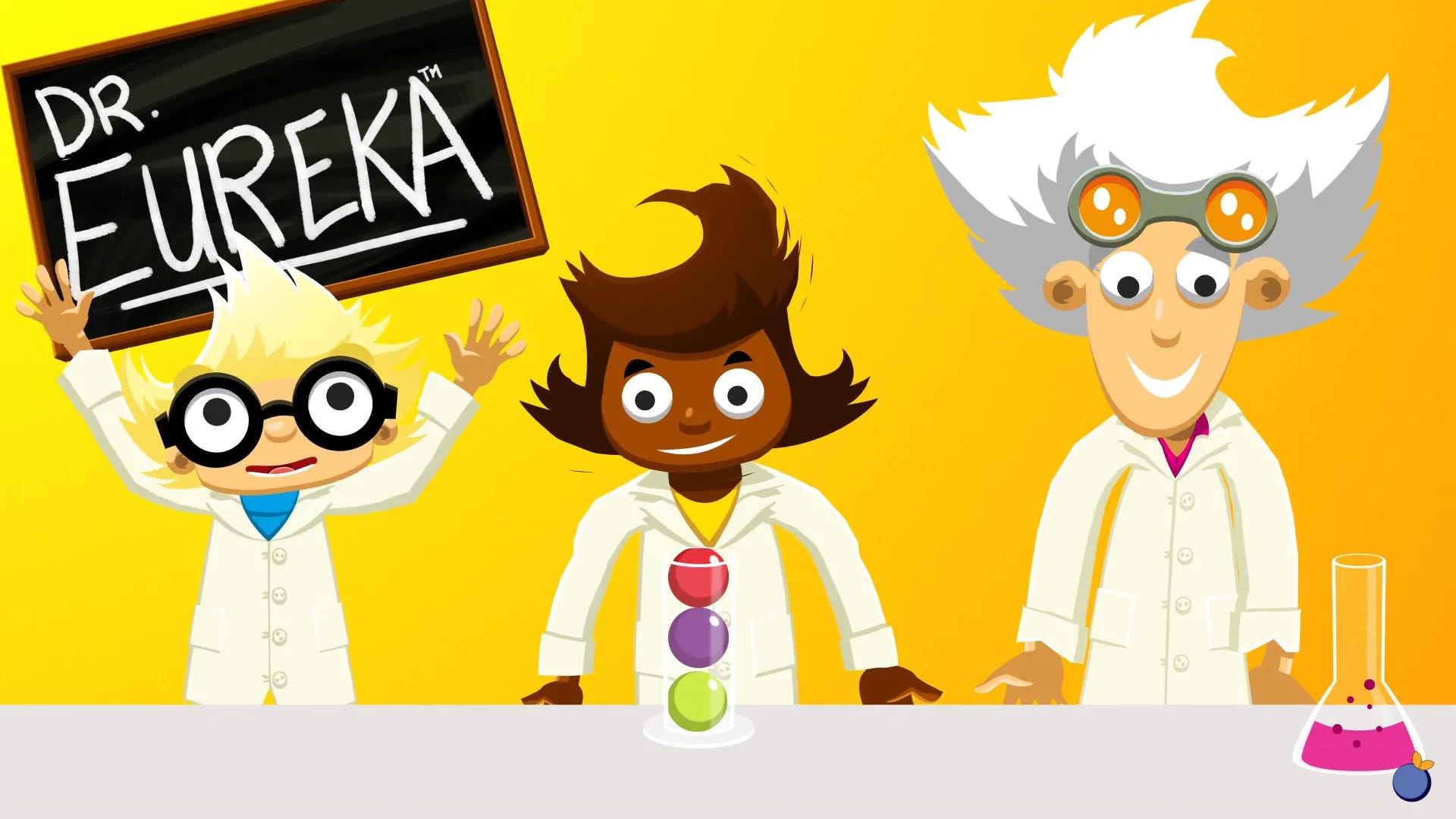
Dr Eureka is a game where you take test tubes filled with colored balls and rearrange them to match a challenge card you can randomly pull. Up to four players can play and whoever matches what’s on the card first wins.
My daughter was good at that game. Too good. Her hands would fly almost as fast as those Rubik’s cube speed-players and she’d solve a puzzle in seconds. She also found it especially fun to destroy her friend in Dr. Eureka.
But it wasn’t fun for her friend, who was on the verge of calling her parents and cutting the game day short. I took my daughter aside and told her to chill, because otherwise she wouldn’t have anyone to play with at all. Her competitiveness was hurting her friendship. She was disappointed she couldn’t show off, but understood and chose different games to play.
I get it. It’s fun to win. Games are a dopamine-fest where it’s a lot of micro-wins adding up to a big victory. But when you’re a kid, trying too hard to win can actually make things not fun.
Nobody of any age wants to play with a hyper-competitive person. Even I, a working adult with very limited gaming time, don’t want to go into a Call of Duty lobby and get endlessly merked by a streamer. And trash talk? Trash talk just makes it worse.
Kid friendships are fragile. They can break based on the most minor of things, and “playing fair” is pretty major. It doesn’t matter if the winner is cheating or not. If it isn’t a fair competition, it’s not fun anymore, and the losing party isn’t going to stick around.
My daughter needed to learn that lesson if she was going to keep playing with her friends. She needed to learn how to be a good sport—in both winning and losing.
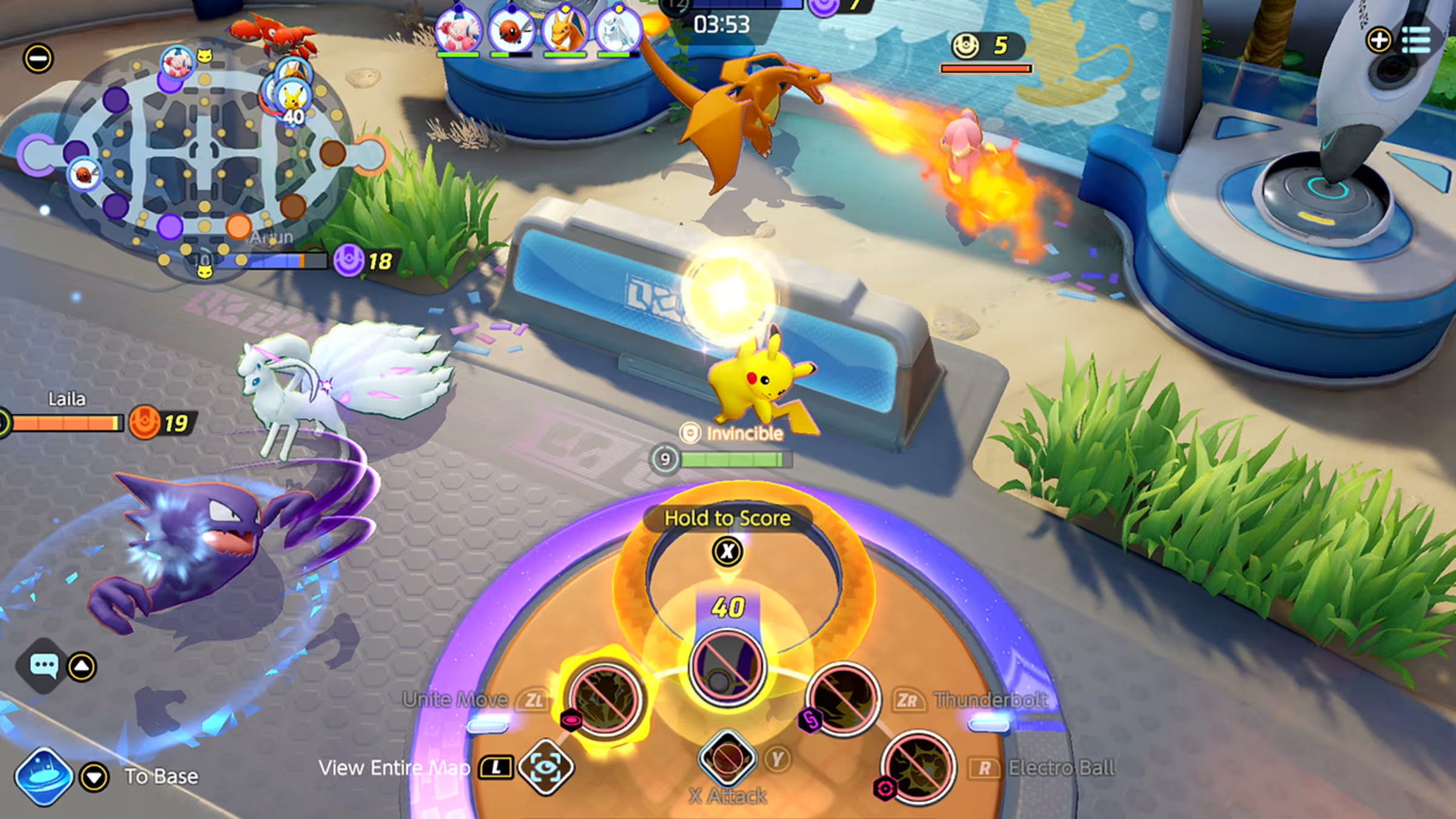
Another game my daughter got into was Pokemon Unite. It’s a team game, where she and I would often team up. But it’s a MOBA and I was never great at those. There were a few plays I admittedly flubbed (okay, a lot of plays) that cost us the victory—or worse, caused her character to die.
Again, my daughter’s tiger instincts reared up. She’d be level-headed for the most part, but she’d yell for support, or call out plays, and I wouldn’t be there. Our teammates would let us down. The other team would just be better. She’d rage and accuse and vent her frustrations.
At one point, my wife gave both me and my daughter a time out because our in-game argument got too heated. My daughter spent the afternoon without electronics. It allowed her to disconnect (literally) and get perspective on how silly the whole incident was.
She wanted the win too much. She was so invested in the game it was overriding her self-control. Losing frustrated her. It hurt. It hurt so much that it forced her to lash out at a teammate who was just trying to help (and her dad who was trying to spend family time with her).
Kid friendships are fragile. They can break based on the most minor of things, and “playing fair” is pretty major. It doesn’t matter if the winner is cheating or not. If it isn’t a fair competition, it’s not fun anymore, and the losing party isn’t going to stick around.
Playing games with others is supposed to be enjoyable. It’s a way for two people to bond over a shared activity. If winning gets in the way of that, then is the win really worth pursuing?
This didn’t just happen with Pokemon Unite. She’d also get furious playing Fortnite, but for a different reason.
That game is full of cheaters. Wallhackers up the wazoo. Autoaimers everywhere. Players so desperate to win, rank, and earn V-bucks that they’d rather just cheat their way through a match instead of playing the game. At one point, my daughter even Googled how to get those cheats so that she could keep up and win a few more matches. (She didn’t follow through on it, thank goodness.)
Cheating in games is petty and wrong. It’s a poisonous habit that teaches kids it’s okay to take shortcuts and ruin other people’s experience. It encourages kids to be selfish. And I didn’t want my daughter thinking that was okay.
Eventually, my wife and I decided that it was better for her to take a break from those games until she learned to control her temper. I steered her towards co-op PvE games like Overcooked and Portal 2 where we wouldn’t have to encounter other sweaty players.
This turned out to be a fantastic decision. We played towards a common goal and improved our communication (I even wrote a separate article about it). The stakes were lower and there was less pressure to perform. Even losing didn’t sting as much, because the gameplay was objective-based and not leaderboard-based.
I recently floated the idea of going back to Fortnite and Pokemon Unite to my daughter, and to my surprise she declined. She wasn’t interested in those games anymore. Not just because she’d moved on to different things; but because she understood herself better.
She realized those environments were toxic for her, and so chose to stay away.
I’m pretty proud of that! She’s growing up faster every day, and now knows that winning isn’t everything. Don’t get me wrong, winning is still fun for her—especially when it involves stomping me and my old-man reflexes into the ground.
 | A guest post by
|
I've got three kids that all love games and are spaced out by a couple years or more, so we've had to have talks about being a gracious winner and how to keep things fun when there's a big skill gap. As recently as last week we had to explain to our 8yo that he doesn't have anything to prove by beating his 6yo brother every single time in Bopl Battle.
This article really hit home for me as I was that overly competitive kid. My mom still tells a story where she took me aside after one of these friendship ruining games where I gloated over my friends after winning and she told me that it’s important when playing games to be a gracious winner so that people will want to play with you again. I didn’t exactly internalize this lesson, and next time I played with my friends and won I proclaimed, “I’m the gracious winner, and you’re the gracious loser!” 😅