

How Clair Obscur: Expedition 33 Helped Me Become a Better Caregiver
Playing is caring, it turns out.

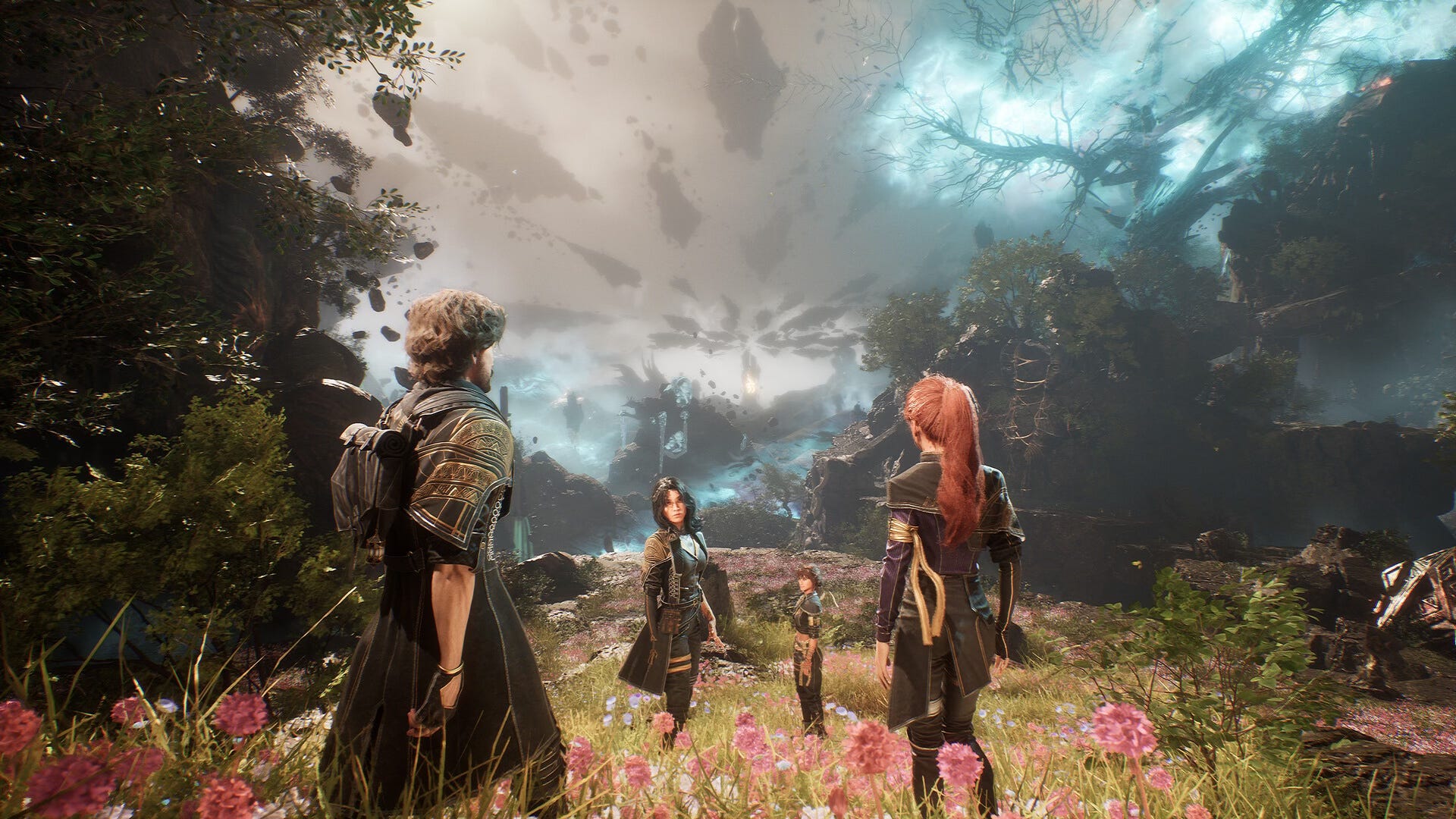
I’ve always used the games I’ve played to help me piece together the timeline of my life.
My favorite video game of all time is Star Wars: Knights of the Old Republic. Not because seven-year-old me found it to be profound, but because I have the fondest memories of filling a tall glass of apple cider to its volumetric limits and sitting down to watch my grandfather on his paragon playthrough.
The music I remember from my first major breakup isn’t from a “Songs to Cry To” playlist, but from the soundtrack of Madden 15, where I spent endless hours in franchise mode leading Zach Mettenberger and the Tennessee Titans to multiple Super Bowl victories. (Sighs longingly)
When my grandfather died in 2008, my most vivid and emotional memories didn’t come from a wake or a funeral service, but from picking up his save file in Deus Ex and playing through the rest of the game as I thought he might have.
Sometimes, video games provide the comfort or clarity we need to navigate big moments in life. Some offer escape, while others—rarer ones—help us unravel the twine of the complicated world we live in.
My life changed dramatically in the fall of 2023, when my mom opened fire in a police station a few towns over from where I live. Many things changed for me that night, but most importantly, I became the guardian and full-time caregiver of my older brother, Jonnie, who has Down syndrome and Type 1 diabetes.
Like many parents and guardians, I struggled with this new role. I was challenged emotionally, physically, and socially in ways that are difficult to comprehend until you experience them yourself.
Jonnie requires 24/7 medical care. Despite his charm and charisma, he can’t bathe himself, prepare his food, dress himself, brush his teeth, or tell you what time it is. He relies on insulin to survive, and hyper-vigilance became my survival strategy.
My days were fully occupied between 5:45 am - 9:00 pm. Cooking, cleaning, planning, diabetic management, bathing, teeth brushing, a full-time job—amongst many other caregiving tasks. I found great joy as a caregiver, but in this new role, I struggled to justify leisure time.
Although games continued to offer a short-term escape, they failed to provide the clarity I once relied on them for. The lessons in games weren’t commensurate with the realities of my new life. I tried to squeeze meaning out of play sessions but always fell woefully short. After all, how could a game help me understand something as large and complex as becoming a full-time caregiver for a person with disabilities? What in-game experience could possibly help me process the responsibility for another life?
“Although games continued to offer a short-term escape, they failed to provide the clarity I once relied on them for. The lessons in games weren’t commensurate with the realities of my new life. I tried to squeeze meaning out of play sessions but always fell woefully short.”
On this search for meaning in games, I found shame. I felt guilty for engaging with them. Nagging thoughts triggered empty productivity spirals and derailed much of the joy I once found in play. I convinced myself I didn’t deserve time to myself—that I should devote every hour to the altar of caregiver-dom.
My brain rebelled whenever I tried to engage with a systems-heavy game (looking at you, Hearts of Iron IV) or a story-heavy one (I’ll get back to Metaphor: ReFantazio someday). There were too many systems to manage in my real life—too many dramatic days to process new stories.
In January 2025, my brother and I were lucky enough for him to be offered a permanent living placement. For the first time, he was carving out his own space independently, making friends, and contributing to a new community.
As he flourished in his new home, I quietly grieved the purpose his caregiving had provided. I struggled to move on to the next phase of our relationship, and struggled to accept that he didn’t need me in the same way he once had.
Selfishly, I clung to the idea that only I could provide the care and experience he needed. It was hard to admit I wasn’t the keeper of the keys—and there were others out there who could meet his needs. I struggled with the transition, but through this difficulty, I finally found a game that would help me earmark and process this watershed moment in my life.
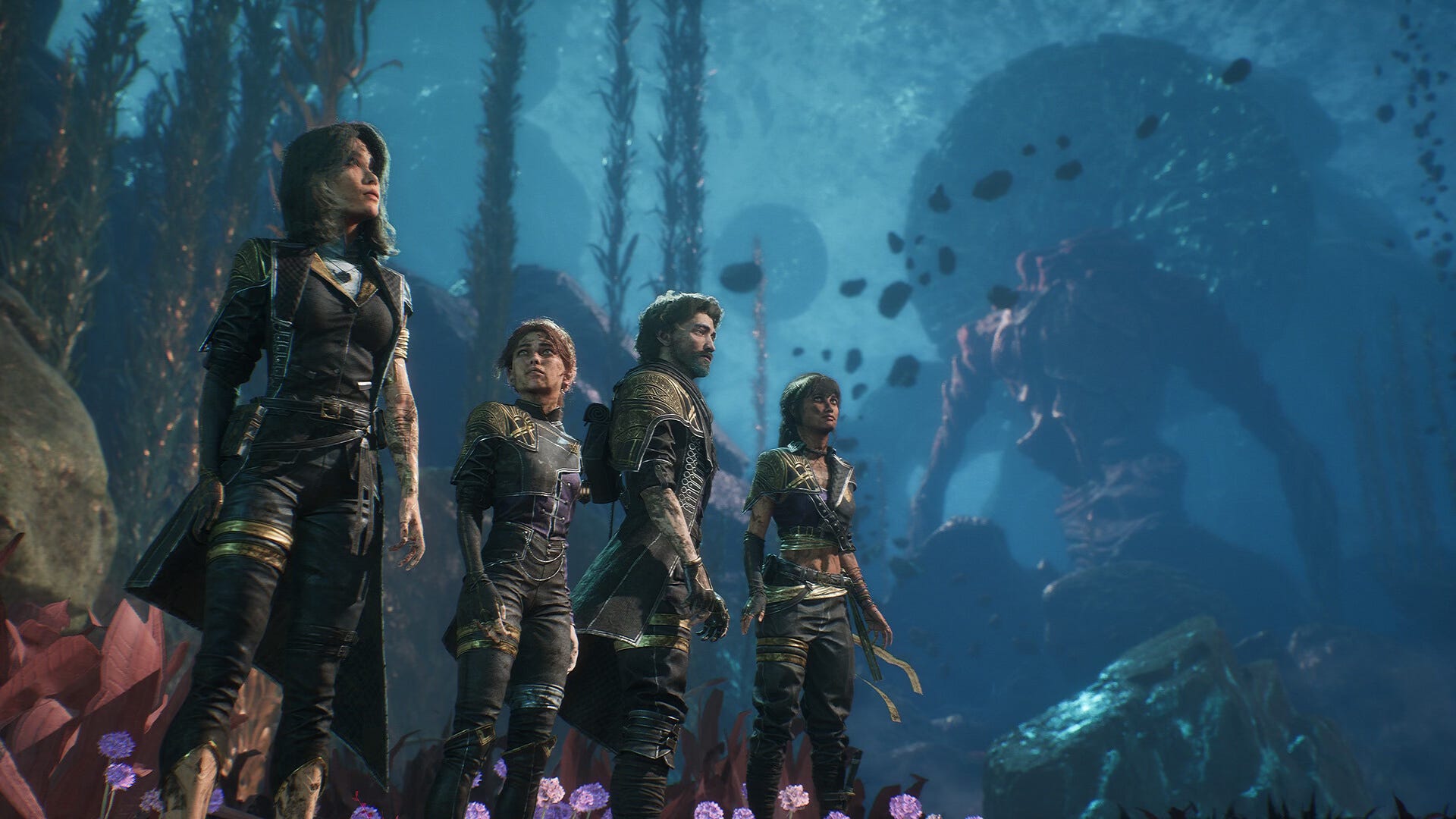
In April 2025, Clair Obscur: Expedition 33 was released. The French turn-based RPG captured me immediately, in a way no game had since I became my brother’s guardian.
The game opens with a tragically compelling premise: a figure known only as the Paintress is systematically turning humanity into dust. In the face of insurmountable (and unknown) odds, a small team journeys to the source of the horror—and through the messages left behind by others who’ve attempted the same, tries to save humanity from its final apocalypse.
As you progress, you build bonds with the characters. Their passion for sustaining life becomes yours. Their will to connect in the face of their impending doom is inspiring. The main cast’s search for purpose amongst an otherwise chaotic and seemingly randomly cruel world connected me to them, as I had felt the same after my brother’s transition.
Warning: There are spoilers ahead. I’ll signal when the spoilers are over.
By the end of the game, you learn that this world and its characters are projected images on a canvas. Their drive, will, and emotional complexity are figments of the imagination of a painter named Verso—who is dead. The world (or canvas) is being kept alive by his grieving mother, who clings to his creation to stay connected to what remains of his creative light.
The player is presented with an impossible final choice: save this beautiful, imaginary world you’ve come to love, or break the cycle of grief and allow the painter’s family to move toward a new, more hopeful future.
Clair Obscur: Expedition 33 is a game about addiction, escapism, and grief—the pain of clinging to the past to avoid the uncertainty of the future. Those themes resonated deeply as I navigated my brother’s transition to his new home. It was the first game that had something to say to me. It encouraged me to start moving forward.
“Clair Obscur: Expedition 33 is a game about addiction, escapism, and grief—the pain of clinging to the past to avoid the uncertainty of the future. Those themes resonated deeply as I navigated my brother’s transition to his new home. It was the first game that had something to say to me. It encouraged me to start moving forward.”
Clair Obscur isn’t concerned with defining the world. Its real focus is you. How you interpret the world, how you feel about it. The game draws you into its story and forces reflection through hard questions, uncovering truths you might not have realized about yourself. That power comes from choice, the language unique to games. No film or song could have taught me what this game did. I had to act, to choose, because our choices are the purest reflections of who we are, and who we want to be.
I’d broken through the cloud of guilt and shame I’d felt when playing games. Through it, and especially through the Paintress’s story, I came to accept that I was in mourning, and that this was okay.
Realizing that I was in mourning had many downstream effects on my guardianship. I’ve started to give my brother more space to explore his independence in his new home. And when he comes over on the weekends, though I’m still his guardian and primary caregiver, we spend more time simply being brothers—something I think he’s missed.
Warning: The spoilers are over.
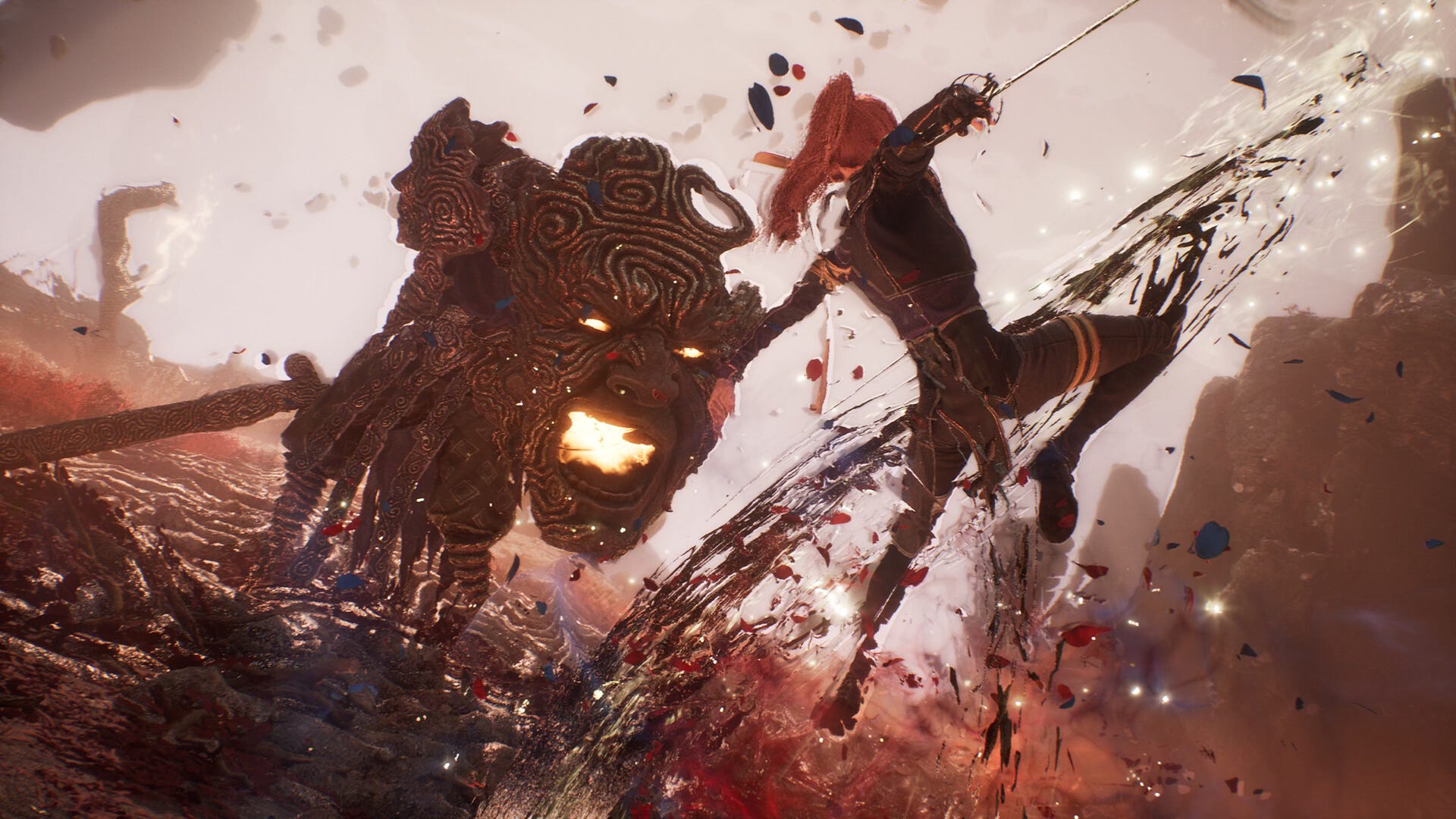
In my new state of acceptance, I rediscovered why games mattered to me—and, more importantly, embraced them as a necessary part of my life. They weren’t trifles to escape to but pieces of art to grow through.
I find that I’m a more confident and competent guardian these days, due in large part to the lessons games have passed to me. I can spend meaningful time with them, knowing that in most cases, I will likely be a better person and, ultimately, a better guardian for having done so.
Games, for me, began as a way to spend time with my grandfather. In adolescence, they were a shoulder to cry on. Now, in my guardianship era, they serve as a vehicle for self-love—an art form unlike any other that allows me not only to catalog the story of my life, but to understand it, and to embrace the possibility of a better, more self-aware, and hopeful future.
One last thing: Clair Obscur used generative AI in development. Clair Obscur centers itself around an idea: art making is human. Using generative AI in a game about the humans behind works of art is like fighting global warming with coal-powered carbon recapture systems.
How can a game compromised by AI have had such a life-changing impact on me?
Clair Obscur helped me through the most important transitional period of my life. It helped me learn how to be a better guardian, caregiver, and brother. Would its impact on me have been greater if it hadn’t used AI in its production phase? Probably not. Would the production process have caused less environmental, economic, and social harm if it hadn’t used AI? Absolutely yes.
What am I supposed to do with these feelings? I don’t know.
 | A guest post by
|
As a Christian gaming dad who writes, creates art, and shares reflections through YouTube and Substack, this really resonates with me because it highlights something I’ve felt for years: games don’t just entertain us—they quietly archive our lives, often more vividly than we expect. I can relate to how a single save file, soundtrack, or late-night play session becomes tied to grief, growth, or even spiritual seasons of life in ways that feel more honest than a timeline ever could. At the same time, I understand the shift you describe when life responsibilities deepen—especially caregiving or fatherhood—where games stop being a lens for meaning and start feeling like they can’t quite carry the weight anymore. In my own walk, I’ve had to learn that gaming can be both a gift and a limitation: it can help me process emotion and tell stories, but it can’t replace the presence, patience, and endurance required in real-world callings like family, marriage, or caring for others. As a follower of Christ, I also feel that tension even more, because the call isn’t just to escape or interpret life, but to embody love and responsibility in it—even when the controller is set down.
The Deus Ex story inevitably reminds of the late father's ghost car in Rally Sports Challenge, I'm sure you've heard of it.
Thank you for sharing your beautiful story. I wish it was stories like this that went viral instead of allegations of games causing violence.