

How I Got Around Not Being Able to Afford a Good Gaming PC For My Kid
What it means to play games with your kid when you both have potato PCs.


Early last year, I could only afford to buy my 12-year-old daughter a $700 Dell laptop that was already obsolete the moment it came out of the box. I had bought it so that she could play a recent PC game, but I foolishly forgot to check the system requirements—which the new laptop couldn’t meet.
It didn’t stop her from trying, though. She still installed it anyway and tried to soldier on, despite choppy cinematics, horrendously bad visuals, and frequent crashes. There were brief moments of enjoyment there, but that only made the baseline poor performance even more frustrating.
When I was a kid, gaming was pretty sweet. We didn’t get a NES until several years after it was launched, despite four out of five of us siblings begging for it, but there was no shortage of console games for me to play. PC gaming was still a cottage industry and didn’t require any demanding hardware. And for the times that it did, my elder brother earned enough to buy the games, PC upgrades, and peripherals that my parents didn’t.
Many of today’s games, though, are much more complex and need powerful rigs to run. While I’d love to give my daughter the PC gaming experience she deserves, practically speaking it just ain’t gonna happen.
A decent gaming rig costs anywhere from $1,500 to $3,000—and that’s without going overboard on graphics cards and processing speed. That’s tough to justify in today’s economy, especially with the prices of RAM being artificially inflated because they keep getting bought up by AI datacenters.
And then I’d have to double that cost, because I have a potato PC, too. We play a lot of co-op. It wouldn’t do for her to have an upgraded PC with my laggy relic being the millstone that dragged down our gaming sessions.
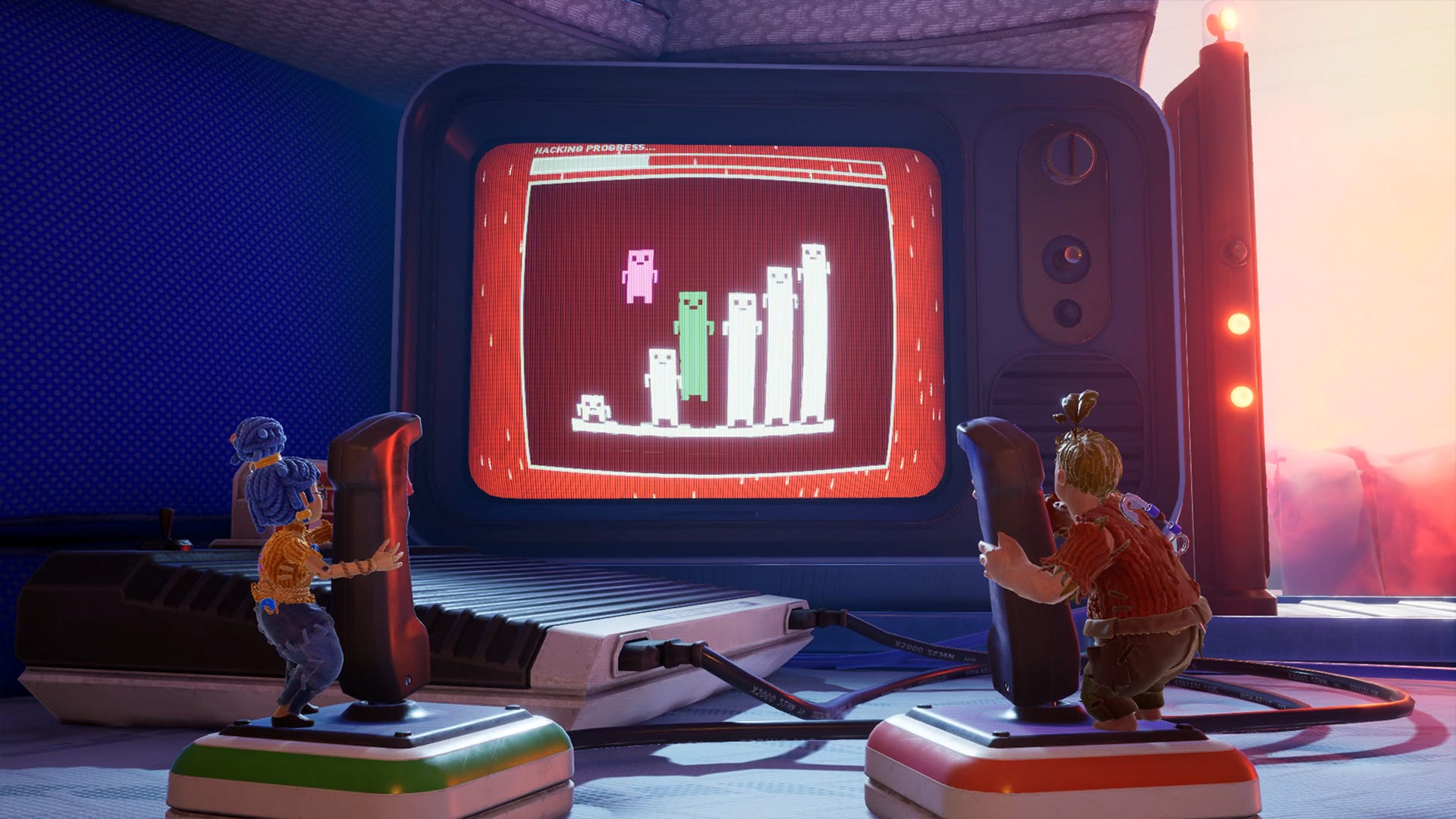
There were other games her laptop couldn’t handle, either. GTA V, It Takes Two, and Where Winds Meet were also on her wishlist. Those were different shades of choppiness. It Takes Two was especially bad because our computers would de-sync at the worst times due to her lag. I wound up refunding the game because neither of us could progress—thank you Steam return policy.
Once again, there was a lot of momentary frustration, but I’d set her expectations by telling her the system requirements were pretty steep. The game probably wouldn’t run well and she might get frustrated. She said she understood, but wanted to give it a try anyway, with the promise not to go nuclear if it couldn’t run.
It couldn’t and she didn’t.
She’s asked me for an upgrade, of course. But I explained to her that it was a big purchase and that there were other important things to spend on first, like the house and the groceries. She was disappointed but ultimately understood. (I suppose it helped her to know that I was stuck with a slow machine just like her).
I also pointed out that the games would always be there to come back to once she eventually got a better computer. Just to prove my point, I found several older AAA games for her to play, like Portal 2 and Assassins Creed 2, and supplemented them with newer and less-demanding indie games like Roboquest, Monaco, and Operation Tango.
Her mother also volunteered to lend our daughter her iPad every once in a while. This was great, because as it turned out one of the games on her wishlist (Where Winds Meet) ran just fine on the iPad.
I count myself extremely lucky that I have a gamer daughter that shares my interests, and that she’s mature enough now to both control her temper and understand financial priorities. While I’d love for us to play the latest and greatest games together, it would be irresponsible to buy two new gaming rigs at the same time.
I’m not sure when we’d be able to splurge on new computers again, but at least we have a decade’s worth of old AAA titles and potato-friendly indie games to fill in the gaps.
 | A guest post by
|
This is one of the best things a Gamer Dad can experience! Gaming with his kids! 🤩
But indeed, it's really a struggle to build a gaming PC.
I'm from Romania, and we really have it hard. Me with a 10yo budget PC, playing and even doing youtube content creation... and then came Junior.
My strategy was to slowly gather the general parts for a PC for Junior (starting several years before the appropriate age), and only at the end searched for the CPU+MB+RAM. Which I also got on a budget (SH parts). This is very achievable.
Yet... most importantly, we still are not capable to play the latest and greatest, but the Market is FULL to the brim with awesome indie games (and retro gems), which all run on our potato PCs. 😅
Since 5yo I play with my kid, and exactly because of this I started to cover the games we play together, focusing on parenting angle... like the bonds games can create, the lessons they can impart, and providing our experience as a well. Junior even started to help me, providing his points and narrated exclamations. 😁
Also, Bravo! for raising an awesome daughter. 🙂
PS. If curios, this is the resulting Junior's budget gaming PC 🙃 https://www.youtube.com/watch?v=F2ddbKG1jPI